
Ancelotti's Brazil Debut Exposes Structural Vulnerabilities
Ancelotti's debut exposes Brazil's vulnerabilities during loss to Morocco, raising concerns about tactical integration.
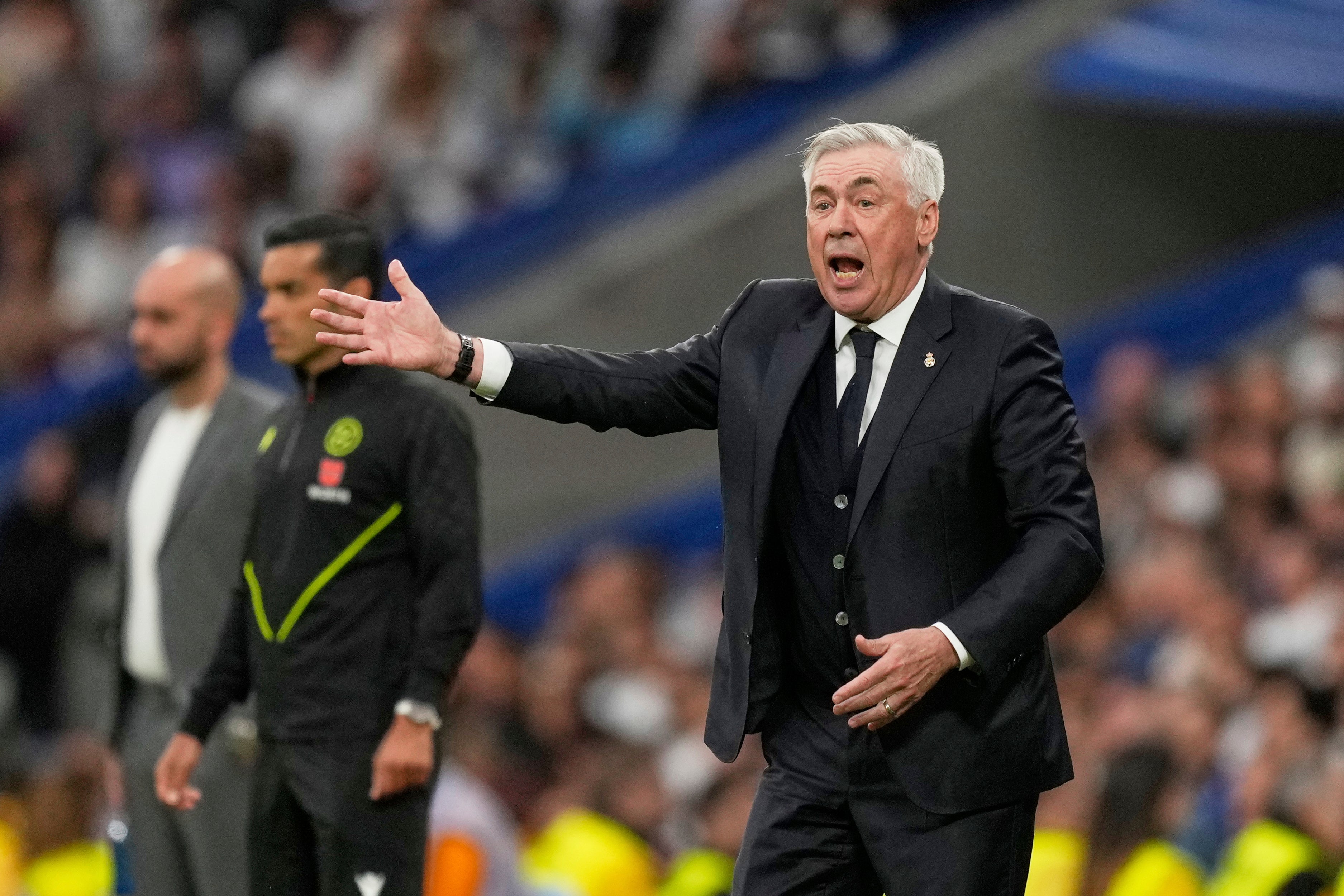
Key Takeaways
- Ancelotti's tactical approach struggled against Morocco’s counter-attacks.
- Brazil's midfield lacked balance and clarity, leading to vulnerabilities.
- Full-backs were ineffective in attacking roles, hampering Brazilian creativity.
Carlo Ancelotti's much-anticipated debut as Brazil's head coach did not unfold as expected, with a 3-2 defeat against Morocco revealing significant structural vulnerabilities within the team. Ancelotti, who has earned a reputation for his tactical acumen across Europe, now faces the daunting task of overhauling a Brazilian squad that looked disjointed and vulnerable in key areas of the pitch. The match served as a harbinger of the challenges that lie ahead as Brazil prepares for upcoming international competitions.
From the onset, it was clear that Ancelotti's Brazil struggled to adapt to his tactical framework. A high press designed to stifle Morocco's build-up play often backfired, leaving gaps in the midfield that were exploited by the Moroccans, who showcased a sleek counter-attacking style. The Brazilian defense appeared uncoordinated, particularly during transitions, which allowed Morocco to break through with relative ease. Ancelotti’s philosophy, which emphasizes fluid positional play and strong organization, seemed at odds with the individualistic tendencies of the Brazilian players, raising concerns about whether his system can integrate effectively with their natural style.
One of the most glaring issues was Brazil’s frail midfield. Ancelotti's decision to deploy a three-man central unit did not yield the required balance, with players often caught out of position and unable to support both the attack and defense effectively. The fluidity expected from Ancelotti's midfield was notably absent, with players seeming unsure of their roles or responsibilities. This lack of clarity led to Morocco dominating possession and dictating the pace of the game. Ancelotti's need to instill a sense of collective responsibility in midfield is paramount if Brazil hopes to regain their status as a global football powerhouse.
Furthermore, Brazil's full-backs struggled to provide the necessary width and support in attack. While their defensive duties are crucial, Ancelotti's system relies on dynamic wing-backs who can link play and create chances in forward areas. The lack of contribution from the flanks was keenly felt, as Brazil's attacking options became increasingly predictable, allowing Morocco to easily marshal defenses. Moving forward, Ancelotti must find a way to unleash his full-backs’ offensive talents while ensuring defensive solidity.
In concluding this debut analysis, it is evident that Ancelotti's path with Brazil is fraught with challenges. While the defeat may be a bitter pill to swallow, it provides essential insights into the team’s current state. If Ancelotti can address these structural weaknesses and instill a cohesive tactical identity, Brazil's quest for World Cup glory may still be attainable. However, with time running out before significant fixtures, swift and decisive corrective measures are needed.
Frequently Asked Questions
What were the main tactical issues for Brazil in the match?
Brazil's midfield lacked balance and clarity, while full-backs failed to contribute offensively, leading to structural vulnerabilities.
How did Morocco exploit Brazil's weaknesses?
Morocco effectively used counter-attacks and dominated possession by exploiting gaps in Brazil's midfield and disjointed defense.
- Brazil National Team
- Carlo Ancelotti
- Tactical Analysis

Elena Rossi
European Football Correspondent
Based in Milan, Elena reports on Serie A and Champions League tacticians, youth developments, and Italian tactical boardrooms.
Comments (0)
No comments yet. Be the first to comment!